Electrical Safety Audit
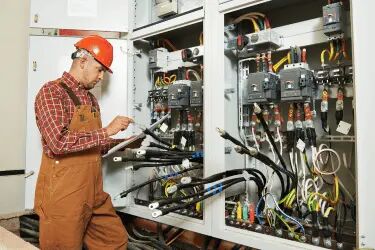
The BMC (Mumbai) traces 70 to 80% of the city's fires to faulty electrical connections. The audit covers the installation under CEA (MSES) Regulations, 2023, ranked by risk.
Learn moreChartered Electrical Safety Engineer (CESE)
PowerTech has conducted energy and electrical audits since 2014. Every power quality audit is conducted by a Chartered Electrical Safety Engineer with a calibrated analyser at your incomer and panels. The recordings show which load is behind the failing capacitors, the tripping drives, the hot neutral, or the penalty, and the report says what to change.
Overview
Variable frequency drives (VFDs), uninterruptible power supplies (UPS), induction furnaces, and LED drivers all draw current in pulses, not a smooth sine wave. Together they distort the supply your other machines share, and the damage lands somewhere else: on the capacitor bank, the drive next door, the transformer neutral, or the bill. A multimeter cannot see any of it.
A power quality audit, also known as a harmonic study, replaces guesswork with recordings. We connect a calibrated analyser at the point of common coupling (PCC), where your supply meets the grid, and at the panels that give trouble. It logs voltage, current, harmonics, sags, unbalance, and power factor. Each disturbance is checked against IEEE 519-2022 limits and traced to its load, so management fixes the source, not the symptom.
PowerTech's engineers conduct these audits from Pune, Mumbai, and Nashik. Below is what every audit covers:

What's included
Each check starts with a symptom you can see and names the measurement that explains it. Below are the six checks in every power quality audit:
Harmonic currents and the resonance point at your automatic power factor correction (APFC) panel, so you learn why the capacitors overheat and fail early.
Neutral current, transformer loading, and the third-harmonic currents that add up in the neutral instead of cancelling, so overheating is traced before insulation fails. A thermography audit shows the same heat from outside.
Voltage sags, swells, and short interruptions time-stamped at the panel, so each drive or UPS trip is matched to the event that caused it.
Voltage unbalance between phases and the swings that welders and furnaces cause, so a hot motor or a flickering lamp is traced to its source.
Harmonics and voltage where inverters, diesel generators, and UPS join your network, so the tie-in is checked against the distribution company (DISCOM) connection conditions.
True power factor at the incomer, distortion included, checked against your tariff's rules, so you know which fix addresses the penalty and what to expect from it. The wider bill is an energy audit.
Compliance mandate
For designated consumers in Maharashtra, yes. Below is who is covered:
The Maharashtra Electricity Regulatory Commission (MERC) Supply Code, 2021, requires designated consumers at 11 kV and above to install a power quality meter and keep harmonic currents within its limits.
The Central Electricity Authority's connectivity standards for distributed generation cap the harmonic currents grid-connected solar plants and generators may inject. Your DISCOM can ask for proof at connection.
Nothing in law requires it. Here the case is practical: a capacitor bank that failed twice, a drive that trips every afternoon, or a penalty that returns on every bill.
Why PowerTech
Four things the recording alone cannot give you:
A Chartered Electrical Safety Engineer (CESE), authorised by the Government of Maharashtra under the CEA (MSES) Regulations, 2023.
The analyser measures to IEC 61000-4-30, so every reading holds up when the DISCOM or an equipment maker checks it.
The report names the machine behind each disturbance, from a drive to a furnace, and the change that removes it.
Because we sell no filters, reactors, or capacitors, the fix in the report is the one the recordings justify.
A dated, signed, week-long recording is evidence you can put in front of a DISCOM notice, a warranty refusal from an equipment maker, or an insurer's query after repeated failures.
How it works
Below are the five steps, from your symptom log to the fix list:
We collect plenty of informaiton including a single-line diagram, the load list, recent bills, and a log of every failure and trip, dated where possible.
A Class A analyser (IEC 61000-4-30) goes on the incomer at the PCC and on the troublesome panels, clamped on every phase and the neutral.
It logs for seven days at each point, through every shift and the weekend, so a disturbance that strikes once a week is still caught.
Each recording is checked against the harmonic limits, the tariff, and the equipment ratings, and every disturbance is matched to the load.
The engineer who conducts your audit
The authorisation belongs to a person, not a firm. Atul Kakad, Chartered Electrical Safety Engineer under Regulation 6 of the CEA (MSES) Regulations, 2023, conducts every power quality audit we run. He is also a BEE Certified Energy Manager, so the tariff side gets the same care.
Chartered Electrical Safety Engineer
Regn. MAHCESE0001119052023, CEA (MSES) Regulations, 2023
BEE Certified Energy Manager
Reg. EA-23066, Energy Conservation Act, 2001
Qualified Auditor, the firm's F&LSA Licence
MF&ES/F&LSA/0029, valid to 21 Sep 2027
Advance Diploma in Industrial Safety
First Class
Who we work with
Any site with drives, furnaces, UPS systems, or a solar tie-in runs non-linear loads, and non-linear loads make harmonics. The recording is scoped to your incomer and the panels that matter. After the report, our engineers answer questions while your team makes the changes.
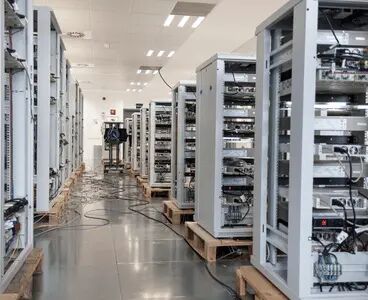
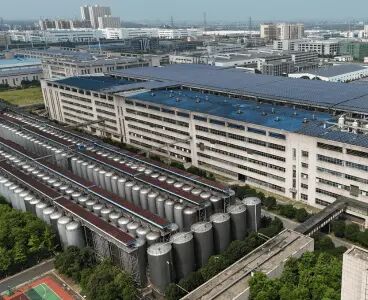
Automobile and auto ancillary, pharma, food, and FMCG plants. Every drive, furnace, and compressor from the incomer down in scope.
Request an audit
Induction furnaces swing the supply hard. We record the unbalance they cause, and the harmonics they push back onto the shared network.
Request an audit
UPS rectifiers distort the supply they are protecting. Recording covers the utility feed, the generator changeover, and the UPS output.
Request an audit
Hundreds of LED drivers and small power supplies add up in the neutral. We measure the neutral current before the riser starts running warm.
Request an audit
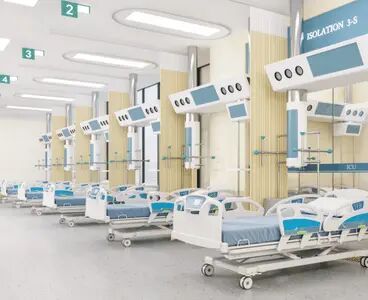
Imaging equipment, lifts, and essential-supply changeover on one network. Recording runs a full week across the incomer and the panels that matter.
Request an audit
Chillers, lifts, kitchens, and signage on a tariff with a power factor clause. We check the true power factor and what it is costing.
Request an audit
Validated equipment, tight tolerances, and drives everywhere. Each sag is time-stamped, so a batch loss can be matched to a recorded event.
Request an audit
Inverters inject harmonics at the tie-in point. We check the injection against the DISCOM connection conditions before it becomes a notice.
Request an audit
Lifts, pumps, and common-area lighting on a shared incomer. Recording finds the load behind flickering lamps and repeated MCB trips.
Request an auditNine questions we hear before the analyser goes on:
Request an audit
Write to us with the symptom: a capacitor bank that keeps failing, a drive that trips, a DISCOM letter about harmonics, or a penalty on the bill. Calls are answered at once, emails within 24 hours, and a scope follows.
Tell us what is failing and where.
Related services
Harmonics are one cause of a hot joint or a trip. A loose termination, a poor earth, or an overloaded cable are the others, and one visit can check them. The power factor penalty is one line of an energy audit. PowerTech has 12+ years of experience in all three.
The BMC (Mumbai) traces 70 to 80% of the city's fires to faulty electrical connections. The audit covers the installation under CEA (MSES) Regulations, 2023, ranked by risk.
Learn more
A hot neutral or a loose joint shows on a thermal image before it fails. Panels, busbars, and terminations are scanned under load and each hot spot is ranked.
Learn more
Under the Energy Conservation Act, 2001, designated energy-intensive facilities must have audits conducted by BEE-certified energy auditors. For everyone else, the power factor penalty is reason enough.
Learn more