


Energy Audit

Large energy users must undergo energy audits under the Energy Conservation Act, 2001. They help consumers identify hidden energy waste, lower bills, and ensure safety.
Learn moreCESE (Chartered Electrical Safety Engineer)
Our Electrical Safety Audit combines physical inspection, electrical testing, and technical assessment to identify electrical hazards that may lead to electric shock, electrical fire, equipment damage, or unsafe operation. The audit is carried out with reference to applicable requirements of CEA (Measures relating to Safety and Electric Supply) Regulations, 2023, NEC 2023, NBCS 2026, IS 732:2019, IS 3043:2018 and IS/IEC 62305, along with applicable IS/IEC standards.
Overview
Industries and commercial buildings run on electricity all day. Faulty wiring, overloaded circuits, poor earthing, or aging switchgear can lead to equipment failure, fire, or a fatal workplace accident. Most of these faults stay invisible until something trips or burns.
According to a BMC (Mumbai) report, 70% to 80% of fires are linked to electrical or wiring faults in metro cities. That's why periodic Electrical System Safety audits are mandatory in Maharashtra.
An electrical safety audit is a systematic check that identifies these issues early. Under the CEA (MSES) Regulations, 2023, auditors review the installation from the incoming supply to the final distribution points. They compare its actual condition against what the regulations require. PowerTech is an electrical safety audit company based in Pune, founded in 2014. We have completed 1,200+ audits across India and have a Chartered Electrical Safety Engineer in-house.
















What's Included
The scope is fixed before we start, so you know exactly what the team checks. If you are floating a tender, we quote against your scope of work too. Below are the systems an electrical safety audit typically covers:
Panels, busbars, terminations and enclosures checked physically for condition, clearances and safe access, from the incoming supply onwards.
Cable routing, trays, joints and distribution boards inspected down to the final load points, with loading checked against capacity.
Earth pit resistance measured and the earthing network verified. A weak earth can turn a small fault into a shock hazard.
A thermal imager scans panels, cables and joints under load. Hot spots show loose or overloaded connections before they fail.
Breakers, relays and protective devices checked for correct rating and coordination, so a fault trips where it should.
Lightning arrestors and bonding assessed against IEC 62305, along with the surge path to earth.
Where the installation needs it, we run arc flash studies on ETAP-licensed software to quantify the risk at each panel.
Wiring, overloads and equipment condition reviewed for fire risk, together with the UPS installations.
Government-Licensed Auditors
Not everyone can legally sign off on an electrical safety audit. The law decides who is allowed to inspect your electrical installation.
Here are the government licences and accreditations PowerTech brings to every job — so the report you receive holds up with inspectors, insurers, and auditors.
Authorised by
Govt. of Maharashtra
Under the CEA (MSES) Regulations, 2023

Validated by
OTI, ETAP's developer
Short Circuit, Arc Flash, Relay Co-ordination

Accredited by
FSAI
Valid to 26 Feb 2027
Awarded by
Maharashtra State Board of Technical Education
First Class
Certificates on record
Certificates open full-size in a new tab.
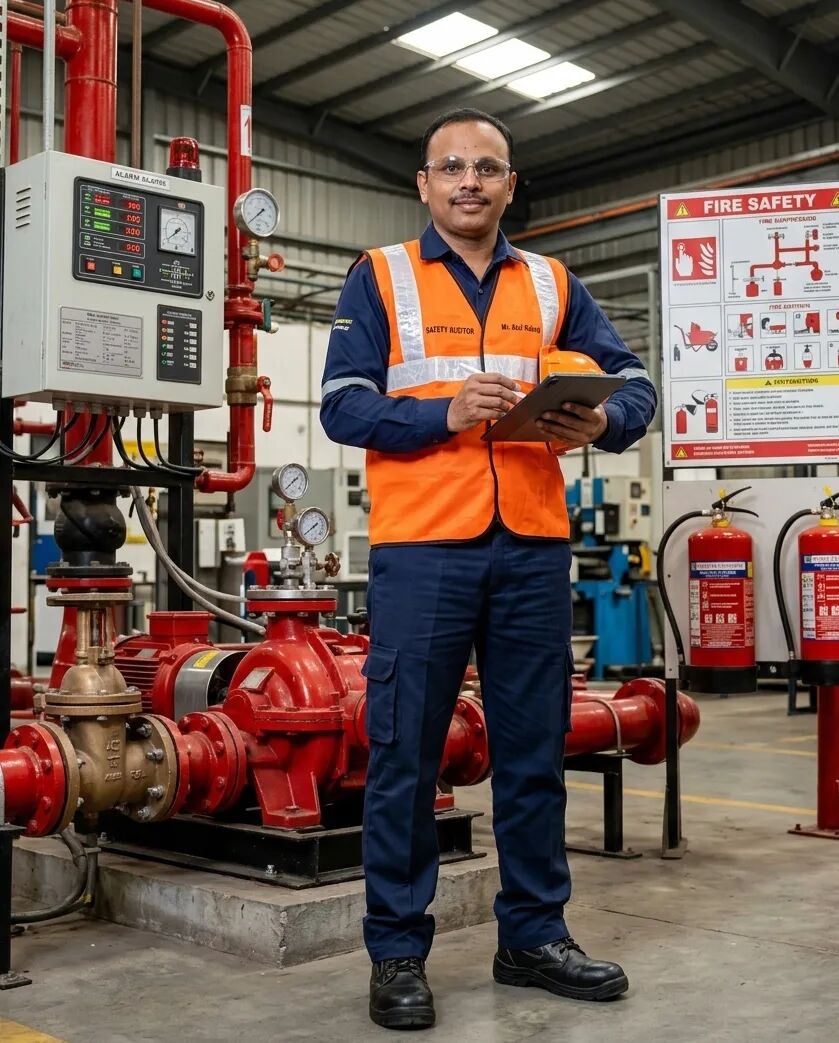
Chartered Electrical Safety Engineer (CESE)
Regulation 6 of the CEA (MSES) Regulations, 2023 puts the authority on the person, not the company: only a Chartered Electrical Safety Engineer is qualified to inspect installations up to the notified voltage. Our government-approved safety auditor, Mr Atul Kakad, has 15 years of experience in Electrical and Fire safety audits.
Chartered Electrical Safety Engineer
Authorised under CEA Regulations 2013
BEE Certified Energy Manager
Reg. EA-23066
FSAI Accredited Professional
Advance Diploma in Industrial Safety
First Class
Deliverables
Electrical safety audit ends with the same four deliverables:
End-to-end identification of electrical hazards such as shock, arc flash, and fire risks by a government-approved CESE auditor under the CEA (Safety and Electric Supply) Regulations, 2023.
FLIR E6 for thermal imaging, Krykard ALM 36 for phase power analysis, Fluke 1664 FC for installation testing, Fluke 1630-2 for earth resistance or leakage current testing, etc.
We visually inspect all electrical units, from switchboards and cables to lightning arresters. Then we leverage arc‑flash and short‑circuit studies to define safe boundaries.
We perform in-depth audits based on IS, NEC, NFPA‑70E, IEC, and CEA rules from visual inspection and documentation review. Our reports include clear next steps with risks prioritized.
PowerTech aims to conduct a comprehensive Electrical Safety Audit, Thermographic (IR) Testing of panels and switchgear, and a Fire Safety Audit — all managed by one team and presented as a single, quantified risk score with prioritized recommendations.
Our team includes highly experienced and expert electrical safety auditors to prevent equipment failures and minimize disruptions to operations proactively.
Compliance Mandate
For many industrial and commercial consumers, yes — and on a five-year clock. Here's how the mandate actually works.
Section 54 installations — mines, oil-fields, railways, generating and receiving stations — need periodic testing by the Electrical Inspector. Factories above 250 kW load and multi-storeyed buildings over 15 meters are also included
Many state electricity boards and DISCOMs have made electrical safety audits mandatory above certain connected-load thresholds.
A Chartered Electrical Safety Engineer conducts the electrical safety inspection up to the notified voltage, as per the CEA (MSES) Regulations, 2023.
No mandate applies. The case for an audit here is fire and shock risk, not a certificate.
Facilities we Serve
Today, electricity is essential to daily life, and we rely on more electrical systems than ever. Unfortunately, this growth also contributes to more accidents. Therefore, an Electrical Safety Audit is crucial to ensuring a safe, efficient residential and work environment.

Steel, automobile and auto ancillary, food, pharma, FMCG, electronics and power. High continuous loads, audited from supply to DB level.
Request an audit
Multi-tenant buildings with complex installations, where public access makes electrical compliance critical.
Request an audit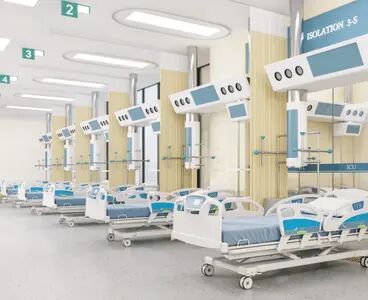
Public buildings where a wiring fault risks more than downtime. Long hours, high footfall, no room for error.
Request an audit
Guest areas, kitchens and utilities checked without disturbing operations, from wiring to earthing.
Request an audit
Common-area installations: main panels, external wiring, earthing and lighting.
Request an audit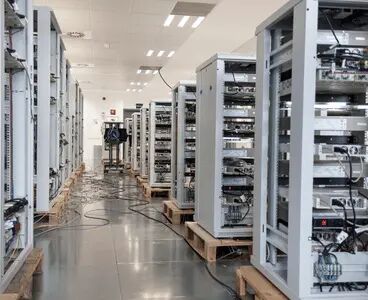
Round-the-clock loads where a single electrical fault can take the whole floor down. Earthing and protection matter most.
Request an audit
Home electrical safety checks for old wiring, shocks and tripping, sized for a house rather than a plant.
Request an auditComprehensive Reporting
Every audit ends in the same document. Below is what it contains, section by section:
The as-found condition of every system inspected, from the incoming supply to the final DB.
Where the installation falls short of what the regulations require, stated plainly.
What to fix first and why, so the worst risks get resolved before the cosmetic ones.
Each observation cites the CEA rule and its reference number
The report is the working document for the corrective phase, whether you act on it yourself or with our support.
Contact Us
Tell us about your facility and what is driving the inquiry, whether it is a compliance requirement, an insurer's ask, or a fault that worried you.
No obligation, just a conversation about your site.
Keep exploring
Audits that pair well with an electrical safety review:
Large energy users must undergo energy audits under the Energy Conservation Act, 2001. They help consumers identify hidden energy waste, lower bills, and ensure safety.
Learn more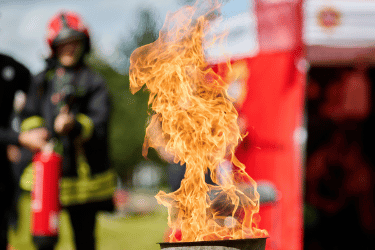
Mandatory twice a year for high-rise and high-occupancy buildings. Conducting a fire safety audit is essential to identify potential hazards, prevent potential risks, and stay compliant.
Learn more
Cut electricity bills with zero upfront cost — we fund, build, and run the energy-saving upgrades, then recover the cost through the savings achieved.
Learn moreThe audit finds the fault. The study says how much energy it releases, and puts the number on a label at every panel.
See the arc flash studyThe audit finds the fault in the installation. A power quality audit finds the load distorting the supply, from the failing capacitors to the penalty on the bill.
See the power quality auditStraight answers to what facility teams usually ask: